Communicate, communicate, communicate – and care
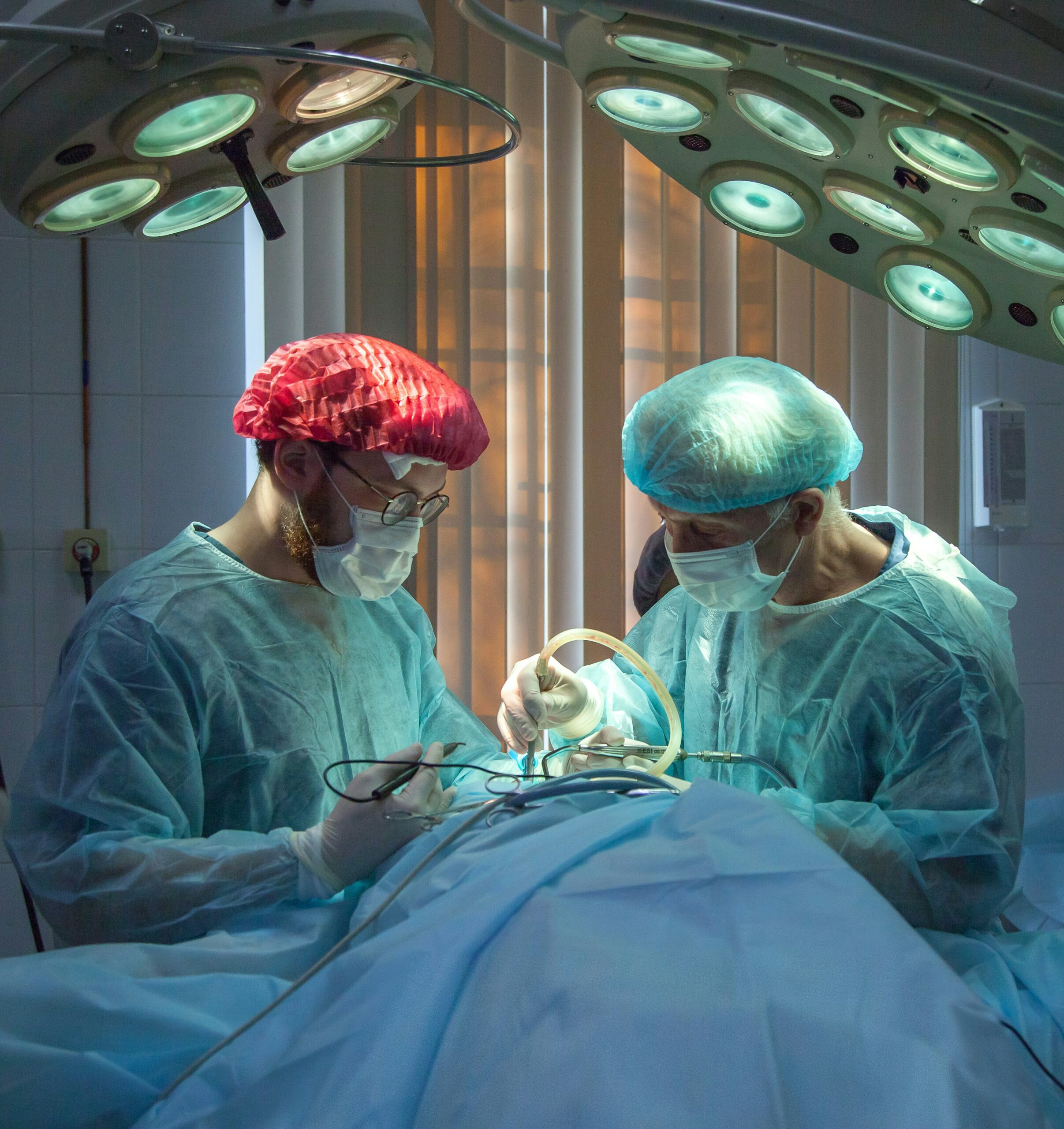
This is a plea. To surgeons – and others (especially leaders) who intervene in people’s lives in ways that are significant and impactful for those lives. Any leader reading this can translate surgeon into leader, and translate surgery into change, especially radical change.
Technical knowledge alone
Surgeons spend decades mastering extraordinary expertise, skill and knowledge of the human body, medication and the equipment they use. They spend time and effort keeping up to date with the latest advances.
But emphasis on simply the acquisition and implementation of technical skill and knowledge limits learning, curiosity and understanding of the role and importance of the patient experience and wellbeing, of the relationship with the surgeon, and the role of that in the resolution of the clinical problem. The patient experience is key to the surgeon’s wider responsibility to them. Focus on the surgeon’s technical skill alone fails to see a surgical intervention as actually a collaboration, and lacks humanity, compassion and respect. It does not warrant the label ‘care’ in its proper sense.
The patient’s path to recovery
The weeks of post-hospital recovery, especially at home, combined with the surgeon’s technical skill and engagement with the patient experience are what account for the greatest success of a surgical intervention. And an intrinsic part of recovery is the patient’s sense of wellbeing, of safety, of trust, of being seen, and of being communicated with.
This is about the surgeon engaging with the possible complexity of the path to recovery, and communicating with the patient. It’s about proactively providing the patient with preparation, information and guidance for what they can realistically expect of their recovery over the weeks, understanding what’s normal and what’s not normal, and the support that’s reliably available.
It’s about minimising any surprises for the patient in the wilderness of their unknown. What might they experience (e.g. pain of various types, nausea or difficulties with mobility)? When should they be legitimately concerned? What to do when they are concerned? How can they expect all this to evolve?
The same is true for any leader taking people through change. Unmanaged surprises and a diminished sense of safety are bad news for recovery.
This is a two-sided process, in which both surgeon and patient are partners: each is partly responsible for making it as fruitful as it can be.
The damage
Academic studies (as well as our own common sense) indicate that uncertainty, anxiety, and feeling abandoned in a situation that is full of features that the patient doesn’t understand and that have the potential for impact on their life, healing and wellbeing – have a detrimental effect on recovery, on the perception of pain, on complications and on fatigue (see this research study, for example).
The patient’s trust that the surgeon actually cares about them and has their best interests at heart during their recovery can be easily eroded – which leads to even more of a feeling of abandonment. Emotion is expressed in the body, and negative emotion translates into negative experiences. At best they slow recovery or set it back.
There can be significant delays to wound repair because of decreased blood flow to the wound and the risk of post-operative complications, such as infections or wound breakdown (see, for example this study and this study ). Elevated stress hormones reduce the body’s capacity to fight off post-operative infections and interfere with the inflammatory response required to repair damaged tissues. The “fight-or-flight” response restricts blood vessels, which diminishes the oxygen and nutrients necessary for the wound healing process. Psychological distress amplifies pain perception, often requiring higher doses of pain medication.
A better way
There is another, better way.
Not all surgeons-in-training naturally have empathy, compassion, an inclination towards communication and a capacity to contemplate beyond the surgical intervention. All these need to be an important part of their training.
If the surgeon demonstrates genuine empathy, respect, compassion and interest in the patient’s experience during and after surgery, that patient will feel safer and more trusting. See this for example, featuring Dr Robin Youngson on the impact of compassion in healthcare. From the point of view of the neuroscience, feeling safe and more trusting helps down-regulate the sympathetic nervous system (your body’s alarm) and activate the parasympathetic nervous system (the brake). It triggers the release of hormones including oxytocin (which decreases anxiety and increases a sense of comfort), serotonin (which promotes a positive outlook and helps keep emotions balanced), dopamine (which increases a sense of engagement with the environment), and endorphins (which are natural pain relievers). This hormonal cocktail shift lowers stress chemicals, allowing muscles to relax, heart rate to stabilise, and deep tissue healing to begin.
As this article sets out “It’s the relationship that heals”, according to Dr. Irvin D. Yalom, Psychiatry professor at Stanford University, who underlines the importance of qualitative relationships over theory (see more here). Meta-analysis in the field of psychotherapy[1] suggests the single most influential factor on clinical outcome is the ability of the therapist to form a therapeutic relationship with the patient – and I suggest it’s the same for both surgery and leadership.
Communication
Surgeons’ training is gradually incorporating concepts of empathy and compassion in the consideration of qualities that a surgeon needs to bring to their role. These are not skills: they are ways of being, and ways of relating, and they translate themselves, at the very least, into thoughtful communication, giving the patient a sense of connection rather than abandonment. Connection in turn brings many positive attributes, including a sense of safety.
One of the channels for that so-important communication is the preparation of the patient for their journey of recovery once they’ve left hospital. Without communication their recovery period may be accompanied for that patient by uncertainty and anxiety, whose negative effects I’ve outlined above. As they start their journey, what the patient needs is clear information about the weeks ahead – what to normally expect, what possibilities might arise, what to be concerned about, the steps they can usefully take, and how to manage it all.
From the patient’s perspective that essential preparation is the surgeon’s responsibility. From the team member’s perspective it’s the leader’s responsibility. Ignore it at your peril.
[1] Flückiger C, Del Re AC, Wampold BE, Horvath AO. The alliance in adult psychotherapy: A meta-analytic synthesis. Psychotherapy (Chic). 2018;55(4):316-40.
Photo by Olga Guryanova on Unsplash